Why Is a Higher Gauge Number Thinner?
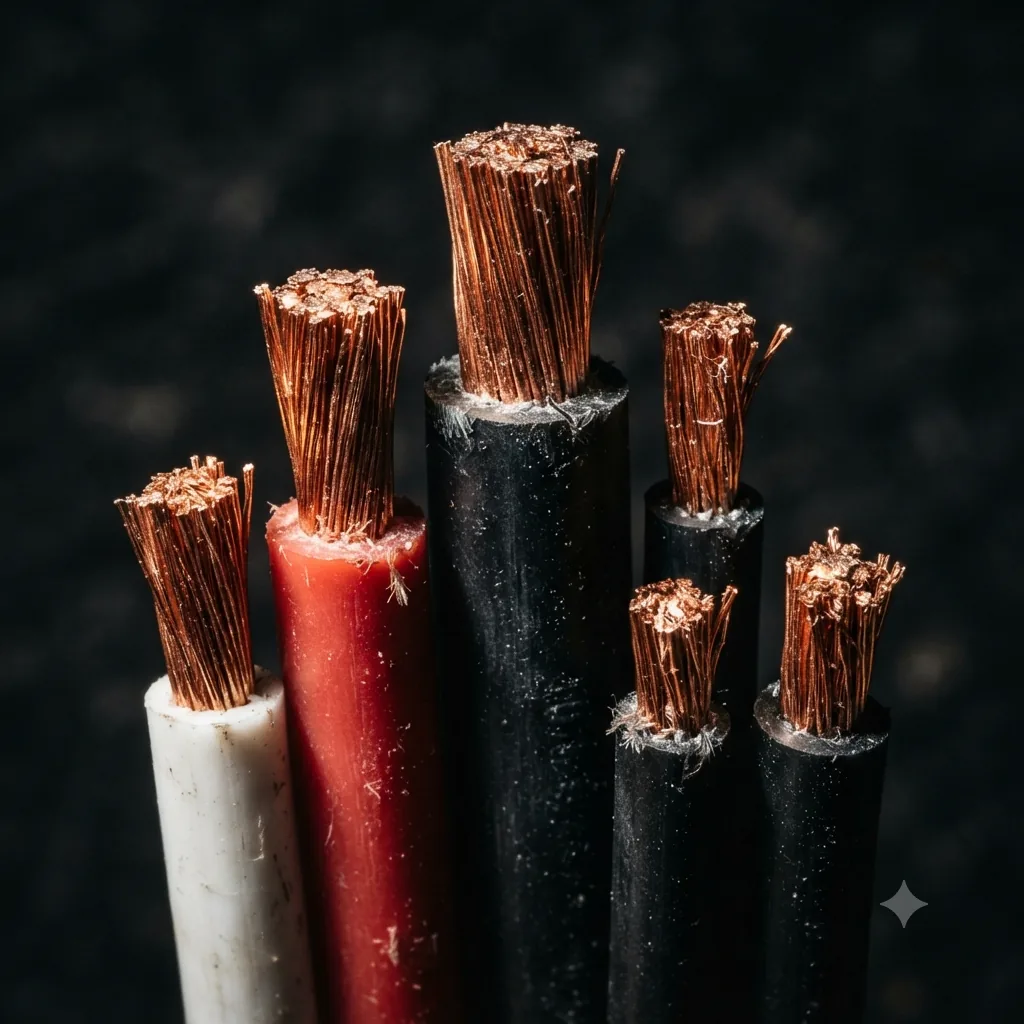
Because American Wire Gauge (AWG) numbering reflects how many times raw wire was pulled through progressively smaller dies during manufacturing — more pulls means a higher gauge number AND a thinner final wire. A 16 AWG cord is thinner (and carries less current) than a 12 AWG cord, which is thinner than a 10 AWG cord. The scale runs backward from what most people intuitively guess.
Why this confuses so many buyers
Most everyday size scales get bigger as the number gets bigger — shoe sizes, drill bits, socket wrenches. AWG is the opposite: it is a manufacturing-process scale, not an intuitive size scale, so a "higher gauge" cord being weaker and thinner surprises people who expect the number to track size. Real forum confusion reflects this: buyers searching for the ampacity of "8 or 6 gauge" commonly report expecting the bigger number to mean a beefier cord, and being confused when it's the reverse.
What actually matters when buying
If your tool, generator, or appliance needs more current, you want a LOWER gauge number, not a higher one. See the Cord Gauge Ampacity Index for exactly how much current each gauge safely carries at a given length.
This page is general reference information about wire gauge terminology, not an electrical code determination.
Frequently Asked Questions
American Wire Gauge (AWG) is based on the historical wire-drawing process: raw wire is pulled through a series of progressively smaller dies, and each additional pull corresponds to one gauge number up. More pulls (a higher number) means a thinner final wire — the numbering reflects the manufacturing process, not an intuitive size scale.
Yes. 16 AWG is thinner and carries less current than 12 AWG, which is thinner and carries less than 10 AWG, and so on. This trips up a lot of buyers because it's the opposite of scales like shoe sizes or drill bits where bigger numbers mean bigger.
Think of it as a 'thinner number' scale: the higher the number, the more times the wire was drawn down, the thinner it ends up. If you need more current-carrying capacity, you want a LOWER gauge number.
Yes — AWG is used for household electrical wire, extension cords, speaker wire, and more. The direction is consistent everywhere: higher number, thinner wire, less current capacity.